
Project Description
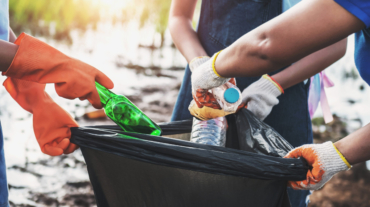
The Waste to Wisdom project empowers students to explore and transform waste in their schools and communities into practical and innovative solutions. Students analyze the types and sources of waste, develop strategies for reduction, reuse, and recycling, and create data-driven insights to understand the impact of their actions. By combining hands-on fieldwork with research, they gain a deep understanding of environmental challenges and the importance of responsible consumption and sustainable practices.
Building on these insights, students take innovation a step further by designing smart prototypes using microcontrollers, such as automated bins, waste-level sensors, or sorting systems. These tech-enabled solutions not only address real-world waste management problems but also enhance creativity, digital literacy, and problem-solving skills. The project outcomes serve as a foundation for future community-based sustainability innovations, giving students the opportunity to make a measurable impact locally while preparing for broader environmental challenges.
SDGs: 11 (Sustainable Cities and Communities), 12 (Responsible Consumption and Production), 13 (Climate Action), 14 (Life Below Water)
The Waste to Wisdom project empowers students to explore, understand, and transform waste in their school and community into innovative, tech-enabled solutions. Students analyze waste sources, design strategies for reduction, recycling, and repurposing, and integrate microcontrollers to create smart prototypes such as automated bins, waste-level sensors, or sorting systems. These prototypes not only reduce environmental impact but also inspire innovation, digital skills, and community engagement. Outcomes from this project form the foundation for future high-impact, community-based sustainability projects.
Objectives
- Identify and categorize types of waste in schools and communities.
- Develop strategies for reducing, reusing, and recycling waste effectively.
- Design and build tech-enabled prototypes for smart waste management using microcontrollers.
- Promote awareness of sustainable consumption and environmental responsibility in schools and communities.
- Use insights and prototypes to inspire larger-scale environmental innovations and community impact projects.
Key Features
- Digital Collaboration: Work with peers globally to share ideas, co-design smart prototypes, and exchange best practices.
- Hands-On Implementation: Conduct waste audits, design smart bins, or automated sorting systems using microcontrollers and sensors.
- Data Analysis: Collect and interpret waste generation data to optimize prototype design and measure impact.
- Creative Innovation: Transform waste challenges into innovative, tech-enabled solutions using microcontrollers and DIY electronics.
- Presentation Skills: Showcase prototypes, data insights, and project outcomes through reports, presentations, and demonstrations.
- Team-Based Learning: Collaborate to brainstorm, problem-solve, prototype, and present solutions.
- Foundation for Innovation: Use smart waste management prototypes as a springboard for future sustainability and community projects.
Skills to be Learned
- Waste auditing and environmental assessment
- Data collection and analysis
- Microcontroller programming and electronics (Arduino, Raspberry Pi, etc.)
- Creativity, problem-solving, and innovation
- Collaboration, communication, and presentation skills
Values
Responsibility, sustainability, innovation, stewardship, collaboration
Pertinent and Contemporary Issues (PCIs)
- Plastic pollution and marine waste
- Landfill management and urban waste challenges
- Climate change and carbon footprint reduction
- Smart cities and technology for sustainability
- Community awareness and behavior change
Required Resources
- Waste bins and gloves
- Microcontrollers (Arduino, Raspberry Pi)
- Sensors (ultrasonic, weight, IR)
- Tools for prototype construction (wires, soldering kits, cardboard/3D-printed parts)
- Computers or tablets for programming and reporting
- Data collection apps and visualization tools
Timeline
- Project Length: 6–8 weeks
- Start Date: [Insert date]
- End Date: [Insert date]
Community Implementation
Students will demonstrate their smart waste prototypes in schools and local communities. The prototypes, combined with awareness campaigns, encourage responsible waste management while showcasing the power of technology in sustainability. These solutions will serve as a foundation for larger, innovative projects addressing community environmental challenges.